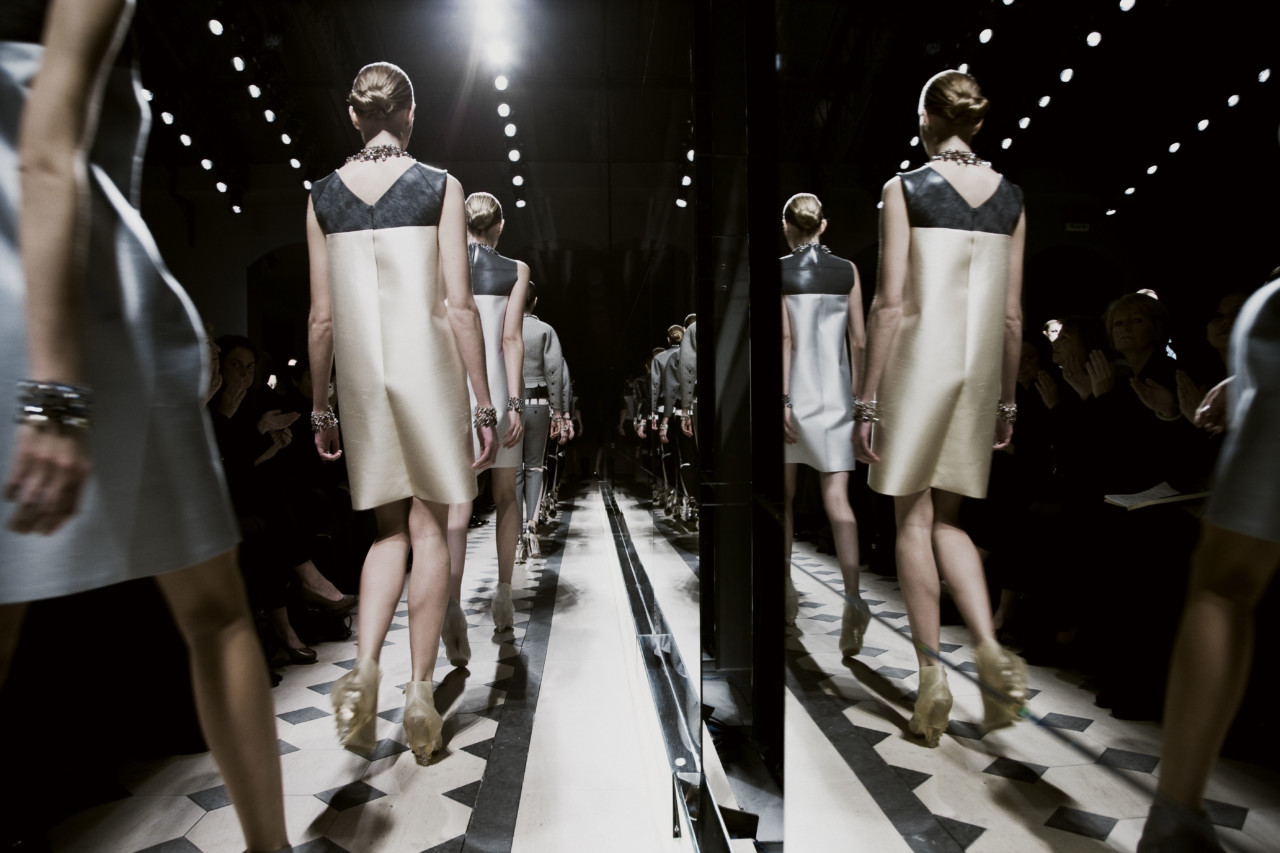
The Significance of Color in Fashion: A Detailed Exploration
The fashion landscape overflows with striking hues and intriguing motifs, making color a central force that molds both design choices and how consumers interpret them. From the famed catwalks of Paris to everyday streetwear, color serves as a powerful visual code that stirs emotions, shapes perceptions, and steers buying decisions. This article examines the pivotal influence of color within fashion, drawing on research, psychological perspectives, and notable real-world examples.
Color as a Communication Tool
Fashion reflects identity, and color serves as its most immediate messenger. Designers rely on color to stir emotions and deliver meaning without spoken language. For example, red frequently signals passion and vitality, whereas blue tends to suggest calmness and reliability. Research published in the Journal of Consumer Research revealed that individuals respond to a brand’s colors based on how suitable those colors seem for that brand. As a result, grasping how color influences perception enables brands to shape their designs in ways that match consumer expectations and cultural nuances.
Psychological Impact of Color
The psychology of color plays a vital role in fashion, and research indicates that certain shades can subtly shape a person’s mood and self‑perception. For example, black is commonly linked to elegance and sophistication, securing its long‑standing status in countless wardrobes and its strong presence at events such as New York Fashion Week due to its timeless charm. In contrast, pastel colors typically evoke calmness and a feeling of purity. A survey by the Institute for Color Research reveals that people develop subconscious judgments about an environment or object within 90 seconds of encountering it, with color accounting for 62 to 90 percent of that response. This suggests that choosing the right shade can greatly elevate or reduce the appeal of a garment.
Cultural Importance and Evolving Trends
Colors bear different meanings across cultures, affecting fashion trends globally. In Western societies, white is traditionally worn at weddings to symbolize purity, whereas, in many Eastern cultures, it is worn for mourning. Meanwhile, the innovative use of color by fashion designers has the power to challenge cultural norms and drive change. The popularization of unconventional color pairings in the 1960s, for instance, signaled a break from tradition and played a role in the broader social changes of the era.
Fashion weeks around the world highlight this broad spectrum, with the tones presented at these events often reflecting global priorities such as sustainability, leaning toward earthy shades and greens. The Pantone Color Institute, celebrated for forecasting the Color of the Year, significantly influences fashion palettes, demonstrating how a single hue can steer the visual mood of an entire season.
Case Studies: Iconic Uses of Color
Iconic fashion moments are often remembered for their bold or unexpected color choices. In 1997, Princess Diana made a statement with her vibrant blue velvet dress by Jacques Azagury, embodying both elegance and boldness. Another instance is the brand Valentino, renowned for its signature “Valentino red,” a color that became synonymous with the brand’s identity and luxury.
Fashion brands frequently carry out in‑depth studies on color trends and consumer preferences, and a clear example appears in the collaboration between Pantone and Sephora, whose “Color of the Year” makeup collections reveal how color forecasting influences both product creation and customer engagement.
The Scientific Insights and Strategic Use of Colors
Color theory stands as an essential guide for designers, who depend on the color wheel to craft harmonious visual compositions. By understanding how complementary and contrasting hues interact, designers can create garments that capture attention. Moreover, technology plays a decisive role in modern color application, as digital tools enable precise shade matching and consistent results across extensive production runs. This scientific approach guarantees that the color effect envisioned by designers stays uniform from the earliest sketch to the final piece.
As fashion keeps shifting, the deliberate application of color grows more refined, with brands relying on AI-powered analysis to anticipate emerging palettes and stay competitive, demonstrating how blending artistic intuition with scientific insight in color selection continues to reshape the industry.
It’s evident that in fashion, color reaches well beyond mere looks, becoming a subtle blend of cultural significance, psychological impact, and scientific precision, and this complex dynamic underscores color as a core element of fashion design—constantly evolving yet ultimately definitive.


:max_bytes(150000):strip_icc()/031225-paris-fashion-week-best-looks-2025-bf7e3e53cbdc418494573b0bb3d4418c.jpg "The Best Runway Looks from After a month-long parade of shows")