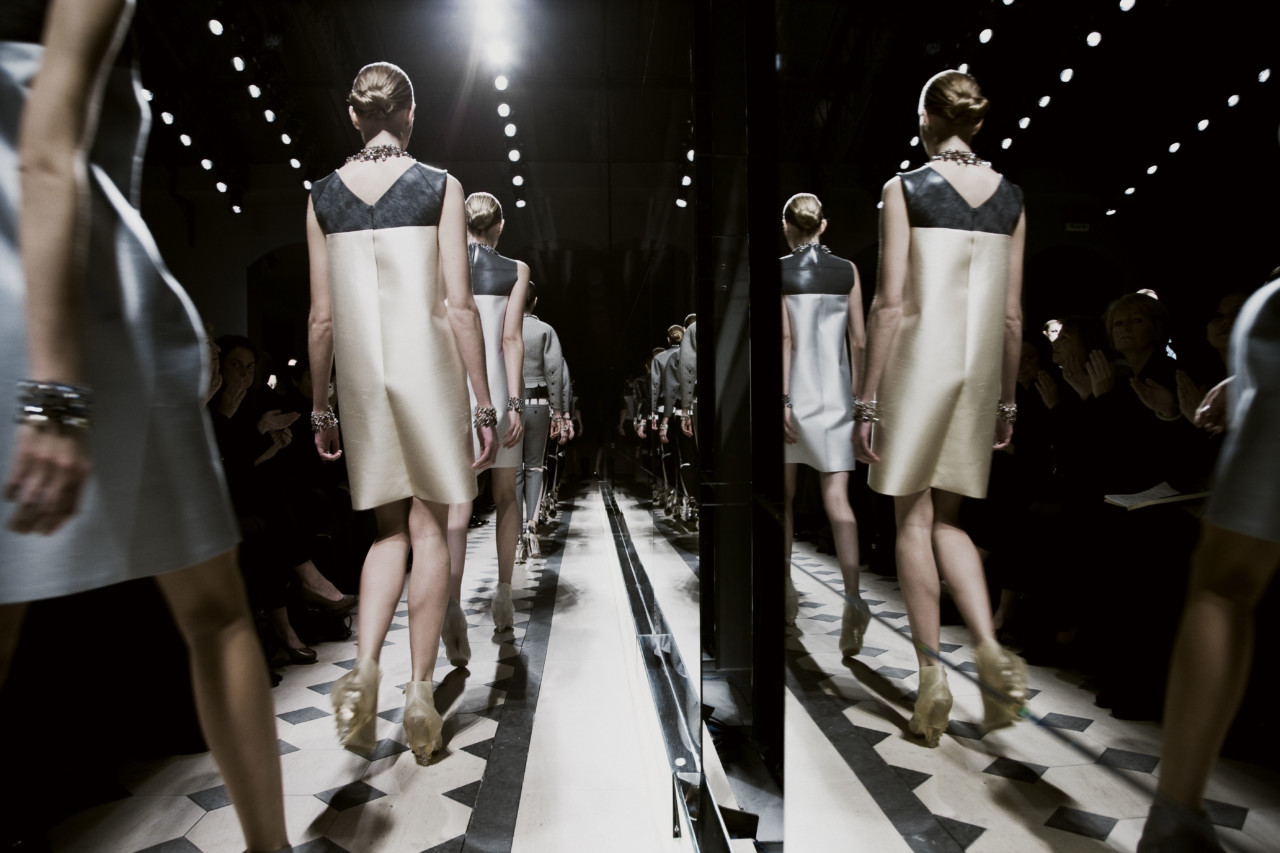
Marketing plays a pivotal role in shaping the fashion industry, intertwining creativity with commerce to drive brand awareness, consumer engagement, and ultimately, sales. The fashion sector thrives on a combination of trendsetting and brand identity, both of which are orchestrated through strategic marketing efforts.
Consumer Engagement and Brand Awareness
In a highly competitive fashion industry, standing apart is essential, and effective marketing allows fashion brands to cultivate a distinct and memorable identity; by using diverse strategies including storytelling, influencer collaborations, and visually driven campaigns, brands can engage and resonate with their intended audience, and Nike’s celebrated “Just Do It” initiative has long exemplified this by strengthening its image as an athletic leader while forging an emotional bond with consumers that inspires personal achievement.
The Rise of Digital and Social Media Marketing
The digital age has transformed how fashion brands market their products. With the rise of social media platforms, brands have direct access to consumers, enabling real-time engagement and feedback. Platforms like Instagram, TikTok, and Pinterest have become essential tools for fashion marketing. These channels allow for visual storytelling and interactive content, which are perfect for showcasing new collections and promoting brand ethos. Louis Vuitton, for instance, utilizes Instagram for live streaming its fashion shows, providing unprecedented access to exclusive events, thus increasing global reach and engagement.
Impact of Content Marketing and Storytelling
Content marketing is another critical component in fashion marketing strategies. Through rich and engaging content, fashion brands can convey their story, values, and vision, creating a deeper connection with their audience. Brands like Patagonia effectively use content marketing not only to showcase their products but to highlight their commitment to environmental sustainability. By doing so, they attract a specific consumer base that values ethical practices.
Role of Influencers and Celebrity Endorsements
Influencers and celebrities wield considerable influence across the fashion landscape thanks to their vast audiences and the authority they are believed to hold, and partnerships or endorsements often push brands into the public eye. Fashion Nova, which has built its success on influencer-driven strategies, works with hundreds of fashion influencers and celebrities, using their extensive reach to access new audience groups and accelerate the expansion of its customer base.
Data-Backed Insights Driving Fashion Marketing
Data analytics play a crucial role in shaping marketing strategies within the fashion industry. By analyzing consumer behavior and preferences, brands can make informed decisions about product development, pricing, and promotion. Retailers like Zara utilize real-time data to respond swiftly to market demands, adjusting their offerings and marketing messages to match consumer desires accurately. This agility enables them to maintain a competitive edge.
Omnichannel Marketing Strategies
In today’s fashion landscape, a seamless experience across various platforms is essential for capturing consumer interest. Brands are implementing omnichannel marketing strategies to integrate physical and digital touchpoints. This strategy ensures that whether a consumer is shopping online or in-store, they receive a consistent and engaging brand experience. For example, Burberry’s use of RFID technology in stores creates personalized experiences for customers, merging physical shopping with digital innovation.
Fashion marketing weaves together creativity, technology, and consumer insight, forming a complex and ever-evolving landscape. As the field progresses, marketing will remain essential in steering brands through emerging challenges and fresh opportunities. For fashion labels seeking to build memorable identities and nurture enduring consumer connections, marketing becomes more than an added element; it stands as the very thread that binds the entire venture.


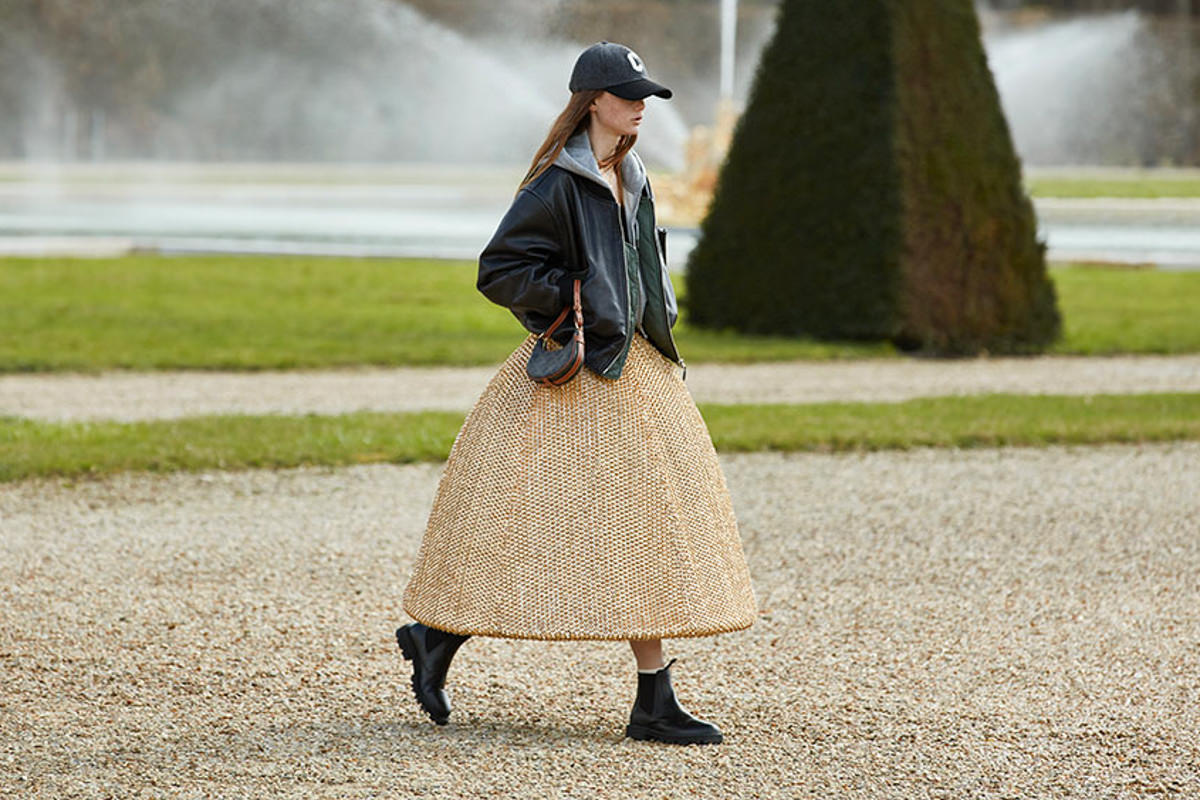
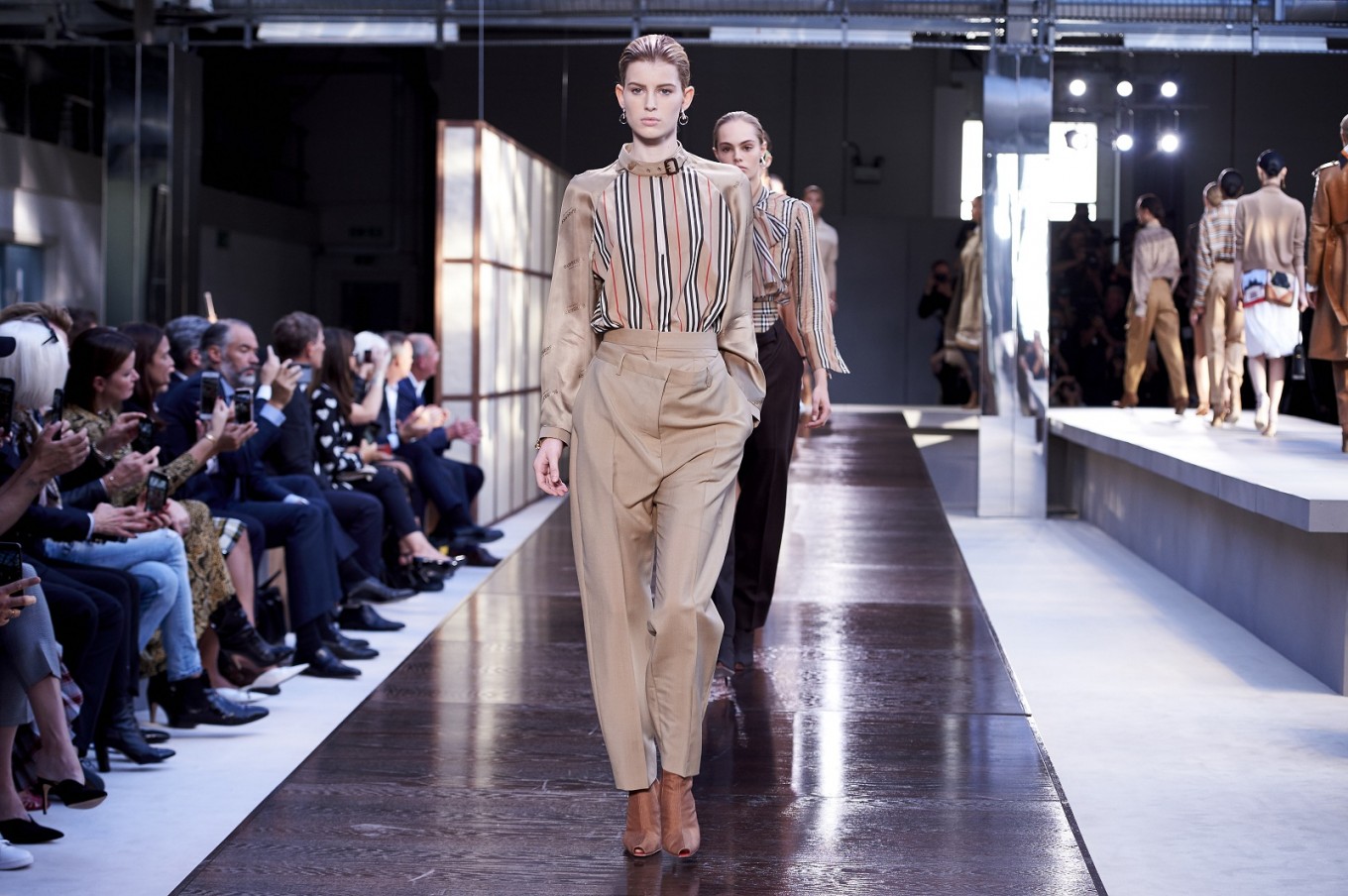
:max_bytes(150000):strip_icc()/031225-paris-fashion-week-best-looks-2025-bf7e3e53cbdc418494573b0bb3d4418c.jpg "The Best Runway Looks from After a month-long parade of shows")