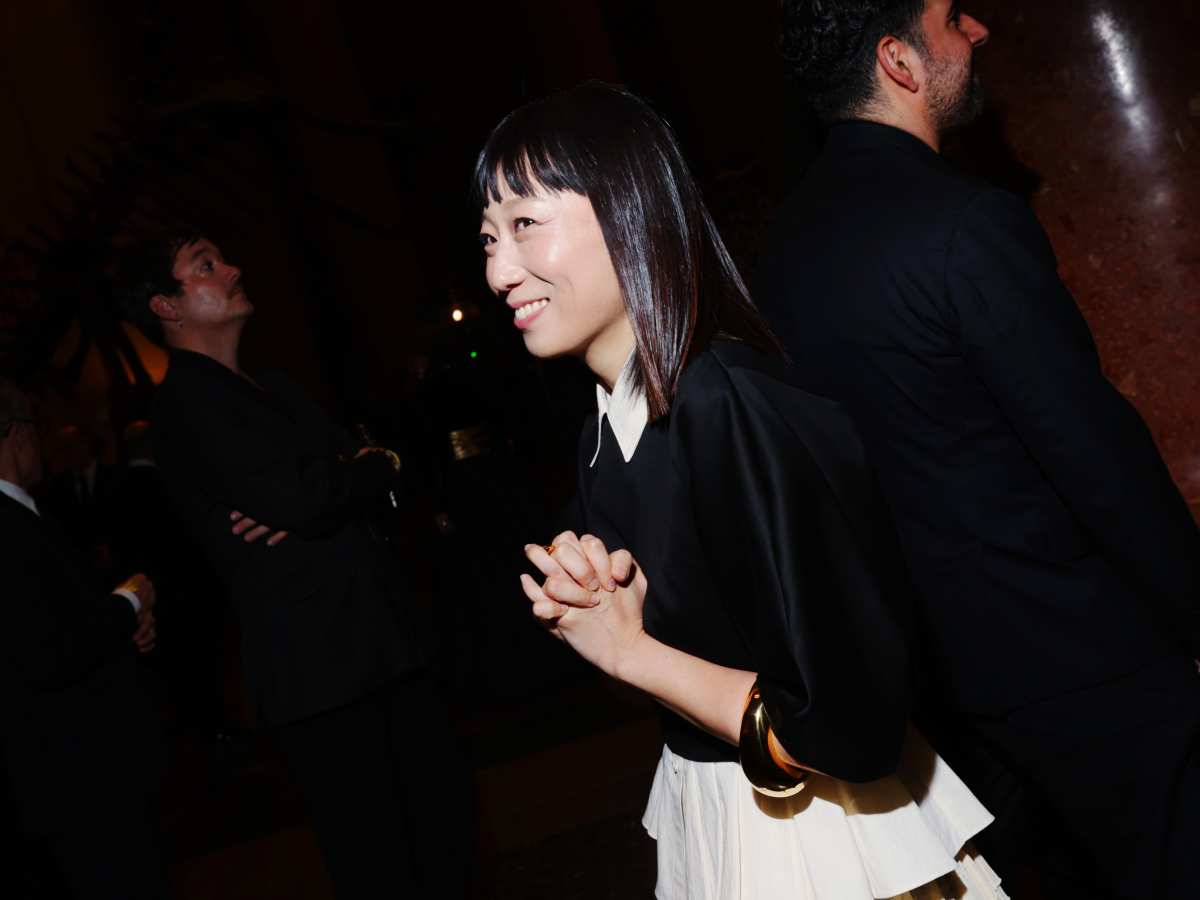
Clare Waight Keller is a versatile presence in the sphere of contemporary fashion design. Celebrated for her visionary leadership at internationally renowned fashion brands and her sophisticated methods of merging tradition with modernity, her impact is felt throughout the sector. With her unique design approach, Keller embodies a strong combination of technical skill, cultural insight, and forward-thinking perspective.
Heritage and Reinvention: A Dual Legacy
Clare Waight Keller‘s path in design includes work at numerous esteemed fashion houses such as Chloé, Pringle of Scotland, and most notably, Givenchy. In every role, she exhibited a unique talent for honoring a brand’s identity while introducing innovative ideas. For example, while at Pringle of Scotland, she breathed new life into traditional knitwear by infusing it with contemporary simplicity. This approach was pivotal in both rejuvenating the historic label and attracting global focus to British knitwear in today’s fashion industry.
At Chloé, Keller revived the poetic femininity associated with the label, infusing it with practical, urban sensibilities. Her collections consistently featured flowing silhouettes, tactile fabrics, and subtle bohemian touches—reflecting an understanding of how contemporary women aspire to feel both comfortable and empowered in their attire. These signatures garnered critical acclaim and commercial success, making Chloé’s ready-to-wear consistently relevant in a competitive market.
Givenchy and the Redefinition of Couture
Keller’s period at Givenchy was a landmark occasion as she became the inaugural female to head the renowned brand. Her assignment indicated a significant cultural transition, confronting the long-standing customs of French couture. Importantly, her initial collection for Givenchy received extensive admiration for its exact tailoring, black-and-white themes, and subtle yet noteworthy decorations. These elements were not merely stylistic decisions—they represented a repositioning of luxury, moving from showiness to substantial elegance.
A pivotal turning point in her professional journey occurred when Meghan Markle’s bridal gown was crafted for her wedding to Prince Harry in 2018. The dress, praised for its simple sophistication, showcased Keller’s mastery of subtlety and her talent for invoking an emotional connection through the use of fabric, silhouette, and proportion. The creation transcended being merely an outfit; it became an emblem of contemporary nobility, captivating millions as this vision of unpretentious splendor adorned global news platforms.
Design Philosophy: Embracing Dualities
One of the most compelling aspects of Clare Waight Keller’s approach is her deft handling of dualities. Her collections often oscillate between masculine and feminine energies, structure and fluidity, past and present. For example, in Givenchy’s Spring 2019 collection, tailored suits juxtaposed with ethereal dresses illustrated her philosophy: clothing should empower rather than confine, reflect individuality without forsaking collective identity.
Keller has highlighted the significance of storytelling in her approach to design. She frequently seeks inspiration from books, artistic pieces, and the personal stories of the women she outfits. This storytelling-focused method guides her intricate selection of materials—she may match thick wool with sheer silk, or blend sharp tailoring with gentle, flowing textiles, creating a visual and tactile conversation in every collection.
Global Influence and Industry Recognition
Keller’s achievements have been prominently acknowledged by both industry experts and the general audience. She earned the title of British Designer of the Year—Womenswear at the 2018 Fashion Awards, underlining her influence in global fashion. Her collections are consistently praised for their practicality, genuineness, and understated creativity.
Information from top luxury online platforms indicates a rise in sales for the labels she creatively oversees, highlighting the market’s demand for her fusion of classic and contemporary styles. Coverage in prominent fashion magazines, including Vogue and The New York Times, emphasizes her role as an influencer driving the conversation on luxury and sustainability.
Championing Diversity and Cultural Shifts
Esencialmente, la visión de Clare Waight Keller va más allá de lo estético. En Givenchy, promovió una variedad en los castings de campañas y desfiles, lo cual refleja un creciente impulso hacia la representación e inclusión en la moda. Ella ha mencionado la importancia de diseñar para mujeres reales, un sentimiento que se refleja en su decisión de elaborar colecciones versátiles que se adaptan a diferentes estilos de vida, tipos de cuerpo y contextos culturales.
Remarkably, her impact is evident in how both emerging designers and well-known brands are rethinking conventional practices in support of more versatile and flexible design approaches. The subtle and emotionally engaging aesthetics championed by Keller encourage designers to envision luxury that engages with its audience instead of alienating it.
Long-Term Impact of Clare Waight Keller’s Design Philosophy
Clare Waight Keller represents a pivotal shift in design thinking—one that values heritage as a foundation but not a constraint, champions female agency in creative leadership, and prioritizes narratives of inclusivity and relevance. Through her rigorous yet empathetic approach, she has carved out a new paradigm of luxury: one marked by modernity, versatility, and mindful evolution. Such a legacy continues to inform the direction of contemporary fashion, signaling fresh possibilities for designers and consumers in a rapidly transforming world.