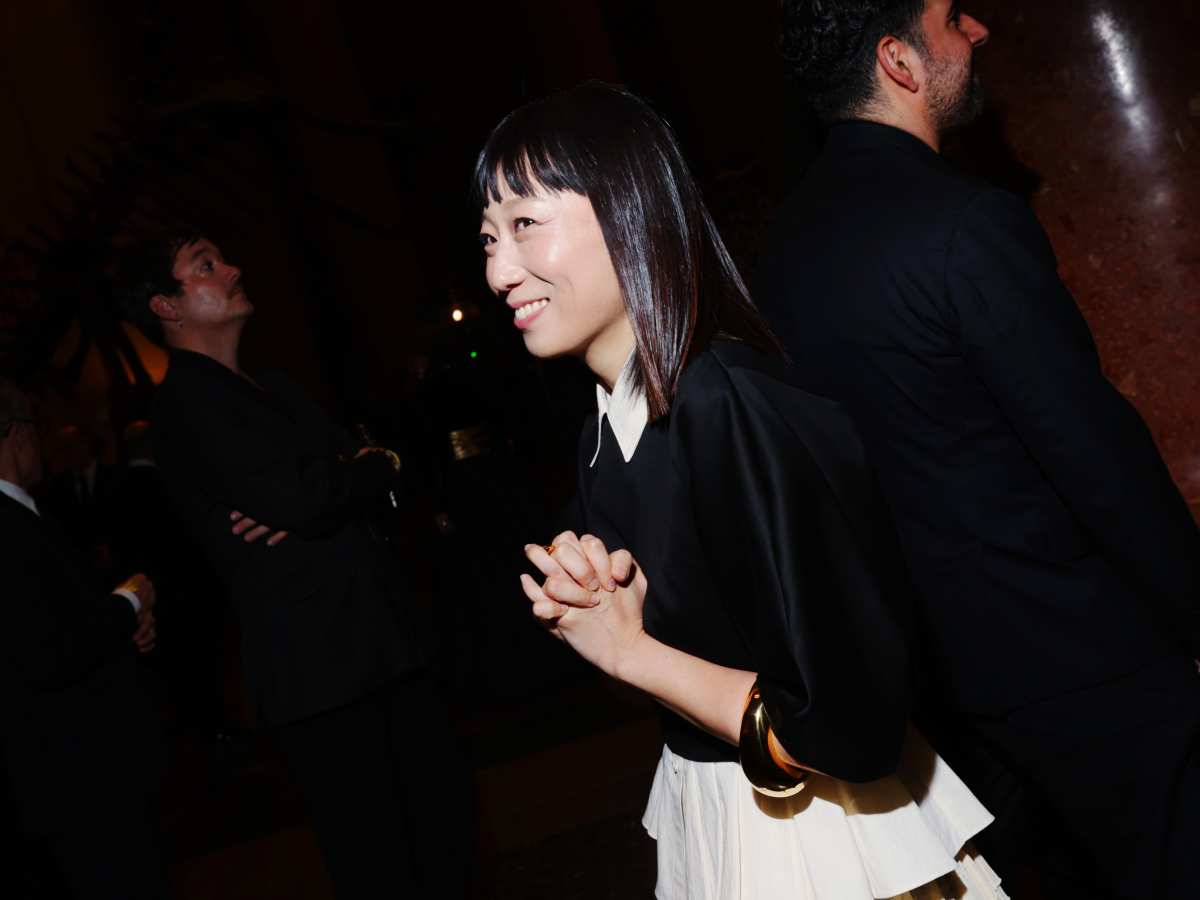
A memorable fashion moment took place in Milan when two legendary cinema figures returned together, reminding audiences of the enduring impact of fashion and storytelling.
The world of fashion thrives on reinvention, but it also celebrates moments that connect past and present in unforgettable ways. During Dolce & Gabbana’s most recent show in Milan, the presence of Miranda Priestly and Nigel seated front row stirred both excitement and reflection among attendees and fans alike. This reunion transported audiences back to one of cinema’s most memorable depictions of the fashion industry, while simultaneously showcasing how art, celebrity, and high couture continue to intersect on global stages.
The influence of fashion figures from cinema
The characters of Miranda Priestly and Nigel became cultural touchstones after their debut in the film that redefined how the fashion world was portrayed on screen. Their sharp wit, commanding presence, and distinctive approach to creativity have remained etched in popular culture, influencing not only viewers but also how the industry perceives itself. Seeing them together once again, this time off the screen and in the heart of a major fashion week event, created an atmosphere of reverence mixed with curiosity. Was this a nod to the film’s legacy, a playful acknowledgment of its enduring relevance, or perhaps a reminder that fashion and performance are forever intertwined?
Dolce & Gabbana has perfected the skill of merging classical elements with showmanship, and by having such famous figures in their front row, they emphasized the label’s connection to enduring sophistication. The designers, renowned for honoring Italian tradition and worldwide celebrity culture, provided an ideal platform for a gathering that drew global media focus. It was not only about the models on the runway but also about the influential figures in the audience, perceiving the event through their presence alone.
The influence on the culture of fashion week
Fashion weeks around the world have increasingly become more than showcases of seasonal collections. They now function as cultural events where celebrity appearances, artistic collaborations, and viral moments often matter as much as the garments themselves. In this environment, the reunion of Priestly and Nigel did more than generate buzz; it reinforced the idea that fashion storytelling extends far beyond the catwalk.
For attendees, the sight of these two figures carried symbolic weight. Miranda Priestly’s image has come to represent authority, discernment, and a sharp eye for style, while Nigel embodies creativity, mentorship, and the resilience required to thrive in demanding environments. Together, they form a dynamic balance of discipline and innovation—qualities that resonate not only in film but also in real-world fashion dynamics. The Milan audience, composed of editors, buyers, celebrities, and influencers, responded with enthusiasm, as if witnessing a fictional narrative seamlessly blending into reality.
This fusion of lines illustrates the growing connection between the fashion world and entertainment. Social media rapidly magnified the occasion, allowing pictures and footage to proliferate among networks, igniting discussions not only about Dolce & Gabbana’s creations but also about the cultural recollection the get-together stirred. It underscored how one occasion can produce complex significance: partially as marketing, partially as a trip down memory lane, and partially as a tribute to the craftsmanship present in both fashion and cinema.
Style as a link between times
The decision to seat Miranda Priestly and Nigel together is emblematic of how fashion often serves as a bridge between different cultural eras. The show itself was a statement of continuity, bringing together heritage craftsmanship and modern aesthetics. In a similar vein, the reunion symbolized how legacies are carried forward, reinvented, and given new life in contemporary contexts.
For admirers of the initial movie, this instance served as a reminder of the profound impact stories can have on our view of industries, fostering curiosity about careers, creativity, and individual expression. For those who were less acquainted, it provided a vivid image of two powerful figures acknowledging their link to fashion in a tangible setting. Regardless, the action highlighted fashion’s universal language—it can simultaneously resonate with memories, dreams, and identities.
Dolce & Gabbana’s Milan presentation was already poised to attract global attention, but the front-row reunion elevated it into something far greater than a traditional runway event. It became a cultural happening, demonstrating the unique ability of fashion to honor its own history while charting bold new directions.
As the applause faded and the show concluded, the images of Miranda Priestly and Nigel seated together lingered in the collective imagination, symbolizing not just a return to glamour but also the ongoing dialogue between art, fashion, and storytelling. In an industry defined by constant change, moments like these remind us that some icons never lose their shine; they simply evolve, taking on new roles in a narrative that continues to unfold season after season.