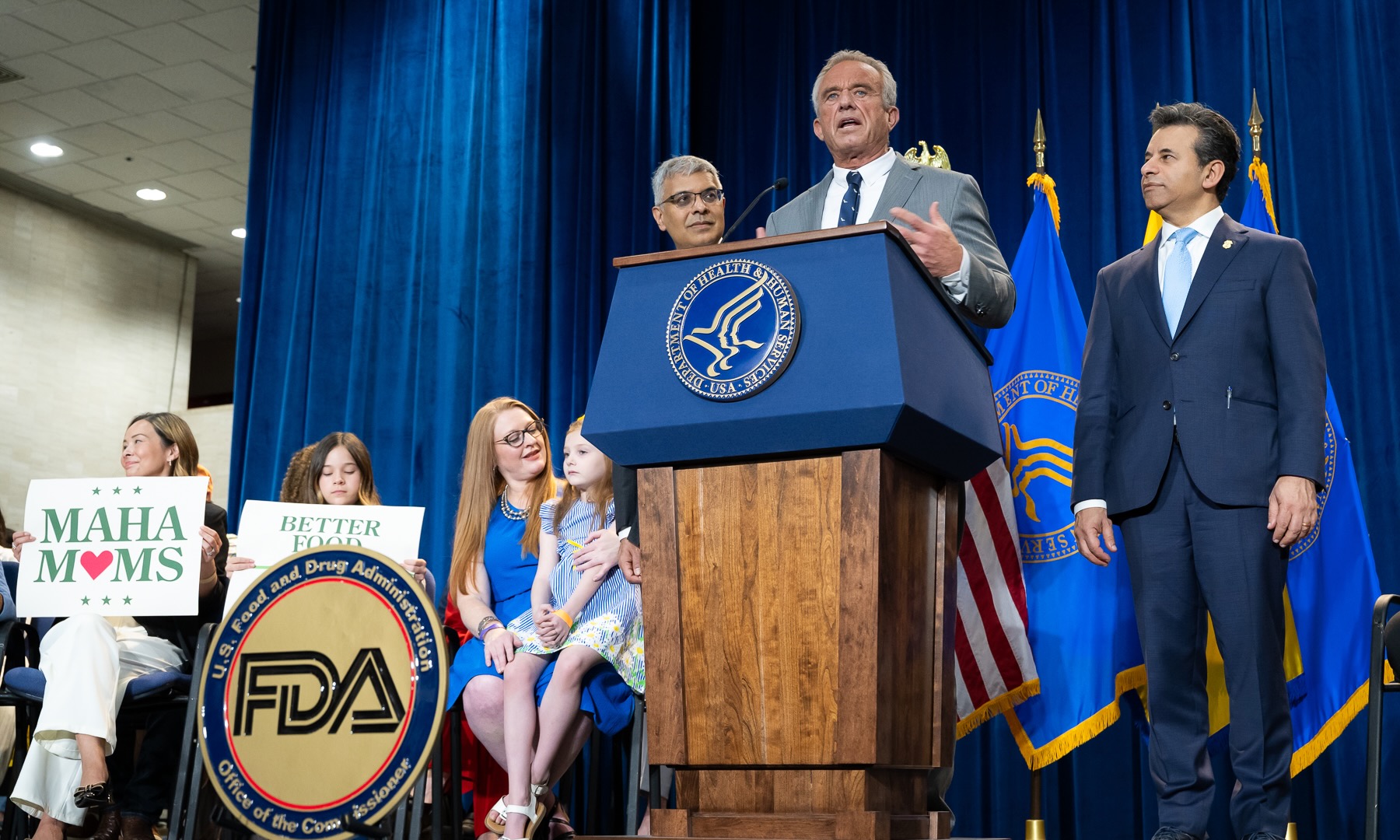
The U.S. Food and Drug Administration (FDA) has stated its plan to evaluate the safety and efficacy of prescription fluoride supplements that are frequently advised for children at risk of cavities. This move represents an important shift in pediatric dental care and suggests a wider scrutiny of the regulation and prescription of preventive treatments in the United States.
Fluoride has long been recognized as a critical tool in preventing cavities, especially in children whose access to fluoridated water is limited or who are at a higher risk for dental disease. In many cases, pediatricians and dentists prescribe fluoride supplements in the form of tablets, drops, or lozenges to help strengthen enamel and reduce the likelihood of cavities in young patients. These supplements have traditionally been accepted as a preventive measure by dental professionals and public health officials.
However, despite their widespread use for decades, many of these products were introduced to the market before current FDA standards for drug efficacy and safety were in place. As a result, several prescription fluoride supplements have remained on the market without undergoing the rigorous review now expected of newer pharmaceuticals. The FDA’s upcoming evaluation seeks to address this gap by assessing whether these supplements continue to meet today’s regulatory expectations.
Este cambio regulatorio no significa que los suplementos de flúor sean intrínsecamente inseguros o ineficaces. Más bien, refleja los esfuerzos generales de la agencia para garantizar que todos los medicamentos recetados, sin importar cuánto tiempo hayan estado disponibles, cuenten con evidencia científica adecuada y cumplan con los requisitos de seguridad actuales. Como parte de esta iniciativa, se pedirá a los fabricantes de productos de flúor que proporcionen datos actualizados que demuestren las ventajas de la suplementación, especialmente en comparación con las fuentes no recetadas de flúor, como el dentífrico y el agua municipal.
The application of fluoride to prevent dental cavities has received support from many health organizations, such as the American Dental Association and the Centers for Disease Control and Prevention. Fluoridating community water supplies, recognized as one of the 20th century’s top public health initiatives, has significantly lowered the occurrence of tooth decay throughout the U.S. However, not every child can access water with optimal fluoride levels, and this is where supplements have been crucial in reducing this disparity.
Children most often prescribed fluoride supplements include those living in rural or underserved areas where fluoridated water systems are either unavailable or inconsistent. In these settings, a daily dose of fluoride through prescription supplements can offer meaningful protection against cavities, especially during the early years of tooth development.
The FDA’s choice to assess these products might result in new labeling criteria, altered dosage instructions, or possibly the withdrawal of items that do not align with modern safety and effectiveness benchmarks. Although the review’s conclusion is yet uncertain, numerous individuals within the dental and medical sectors appreciate this initiative as a chance to reinforce trust in fluoride supplementation.
Increasing recognition of the possible dangers linked to high fluoride intake, notably amongst children, is becoming more prevalent. Issues like dental fluorosis—a visual concern arising from excessive fluoride during the development of enamel—emphasize the importance of controlled dosage and suitable administration based on age. The FDA’s evaluation might assist in making sure the dosing guidelines achieve an optimal balance between cavity reduction and security, especially in groups with differing levels of fluoride intake from various origins.
Within the wider scope of children’s healthcare, this analysis highlights the necessity of customizing preventive care according to specific risk factors. Although fluoride supplements can be vital for certain kids, others might get adequate defense from using fluoride toothpaste and consuming water with added fluoride. Adopting a more individualized strategy for fluoride application—grounded on risk evaluations by health professionals—might improve both effectiveness and safety.
Pediatricians, dentists, and caregivers will be closely monitoring the outcome of the FDA’s evaluation. In the meantime, healthcare providers are encouraged to continue using existing guidelines to determine which children may benefit most from fluoride supplementation. Until new recommendations are issued, standard clinical practices for prescribing fluoride are expected to remain in place.
Ultimately, the action of the FDA to reevaluate prescription fluoride supplements highlights an increasing focus on evidence-based practices in every field of healthcare. For a generation of youngsters vulnerable to dental issues, making certain that the methods employed to safeguard their oral health align with contemporary scientific benchmarks is a move towards improved health results overall.
This upcoming assessment isn’t only a regulatory task—it’s an opportunity to bolster confidence in preventative dental care and make sure that children obtain the most secure and efficient treatments accessible.